I still remember the moment clearly.
I was in a crowded café in Paris, watching a deaf couple across the room. They weren’t speaking.
They weren’t writing. Yet in less than ten seconds, the man lifted his hands, traced a soft circle near his face, and brought his fingertips together in front of his chest. His partner’s eyes welled up. She smiled like sunrise.
He had just told her, without a single sound, that she was beautiful.
In that instant I realized something profound: every culture on Earth has a way to say “beautiful,” but only sign languages let us say it with our hearts on full display. And the most universal version of all isn’t spoken — it’s signed.
Today, we’re going on a global journey to discover how humanity says “beautiful” — in spoken tongues, in signed languages, and in the silent poetry of hands. Because no matter where you go, beauty has a way of finding its voice.
But first, here’s a gift: the single most widespread way to sign “beautiful” in many sign languages around the world (including American Sign Language – ASL, French Sign Language – LSF, and International Sign):
✨ How to sign “BEAUTIFUL” (common international variant)
- Make the number 5 handshape (open hand, fingers spread).
- Start with your hand near your face and circle it gently outward (as if tracing the outline of something lovely).
- Bring your hand toward your chest and close it into a loose claw or flat hand, pulling the beauty inward — toward your heart.
It’s simple. It’s breathtaking. And it’s understood from New York to Nairobi.
Now let’s travel the globe and hear (and see) how the rest of humanity expresses the same feeling.
A Quick-Reference Table
| Language | Word / Phrase | Sign Language Variant (if different) | Cultural Note |
| English | Beautiful | ASL: Face circle → chest | Tied to aesthetics and moral goodness historically |
| French | Beau / Belle | LSF: Same as ASL | “Belle” also means the heroine who sees inner beauty |
| Spanish | Hermoso / Hermosa | LSE (Spain): Similar circle motion | Often used for both people and landscapes |
| Italian | Bello / Bella | LIS: Circle + heart pull | “Bella figura” – the art of appearing beautiful in every way |
| Portuguese | Lindo / Linda | Libras (Brazil): Double motion | Brazilians say it freely and often! |
| German | Schön | DGS: Face circle + sparkle fingers | Same root as “shine” – beauty that glows |
| Dutch | Mooi | NGT: Soft face circle | Also means “nice” – understated elegance |
| Swedish | Vacker | SSL: Circle + gentle pull | Connected to nature’s quiet beauty |
| Russian | Красивая (Krasivaya – fem.) | RSL: Circle + two-handed pull | Root “kras-” also means “red” – vivid, striking |
| Greek | Όμορφος / Όμορφη (Omorfos/Omorfi) | GSL: Similar to ASL | Literally “same form” – harmony & proportion |
| Arabic | جميلة (Jamila – fem.) | Arab Sign: Circle + heart | Name “Jamal” means beauty; used in 22+ countries |
| Hebrew | יפה (Yafa – fem.) | ISL: Circle + outward glow | Same root as “yofi!” – casual exclamation of awe |
| Turkish | Güzel | TID: Circle + two-handed | Also means “nice” – everyday kindness |
| Mandarin Chinese | 美丽 (Měilì) | CSL: Face circle + blooming motion | Mei = beautiful, li = pattern/order |
| Cantonese | 靚 (Leng) | HKSL: Similar to CSL | Often used for stylish, trendy beauty |
| Japanese | 美しい (Utsukushii) | JSL: Gentle circle + bow motion | Emphasis on transience – wabi-sabi beauty |
| Korean | 아름답다 (Areumdapda) | KSL: Circle + soft chest pull | “Areum” is a popular girl’s name |
| Hindi | सुंदर (Sundar) | ISL (India): Circle + sparkle | Root in Sanskrit – purity and auspiciousness |
| Bengali | সুন্দর (Shundor) | Same as Hindi ISL | Same Sanskrit root |
| Thai | สวย (Suay) | TSL: Circle + cheek touch | Often paired with heart emoji in texting! |
| Vietnamese | Đẹp | VSL: Circle + gentle pull | Simple, direct, used constantly |
| Swahili | -zuri / mzuri | Kenyan/Tanzanian Sign: Circle + glow | “Nzuri” also means good, fine, nice |
| Zulu | Muhle | SASL (South Africa): Circle + heart | Greeting “Sawubona” + “Muhle” = I see your beauty |
| Yoruba | Lẹwa | Nigerian Sign: Circle + outward | Beauty is deeply tied to character (iwa lẹwa) |
| Amharic (Ethiopia) | Qonjo | Ethio-Sign: Circle + sparkle | Famous love songs built around this word |
| Māori (New Zealand) | Ataahua | NZSL: Circle + soft double motion | “Ata” = reflection, “ahua” = form – mirror-like beauty |
| Hawaiian | Nani | HSL: Circle + rainbow motion | Same word used in Disney’s Lilo & Stitch! |
| Samoan | Lalelei | Samoan Sign: Circle + chest | “Lelei” = good; beauty and goodness intertwined |
| Cherokee | Uyoi | Cherokee Sign: Circle + earth touch | Beauty connected to the land |
| Navajo | Nizhóní | Navajo Sign: Circle + horizon sweep | Means beautiful, but also “it is good” |
| Inuit (Inuktitut) | Maunokkete | Inuit Sign Language: Circle + light | Beauty in survival and light in darkness |
| Icelandic | Fallegur | Icelandic Sign: Circle + soft pull | Root “fagr” = fair, bright |
European Languages
In Europe, “beautiful” often traces back to Latin “bellus” (pretty) or “formosus” (well-formed). The Romance languages turned it into a love song: French “belle,” Italian “bella,” Spanish “bella.” Say it with a smile in Paris and you might get a kiss on each cheek. Say it in Rome and someone will quote Dante.
Northern Europe leans toward light and clarity: German “schön” and English “sheen” share the same ancient root meaning “to shine.” Scandinavians whisper “vacker” or “smuk” like they’re describing a winter sunrise — quiet, clean, breathtaking.
Asian Languages
In East Asia, beauty is rarely just skin-deep. Mandarin 美丽 (měilì) literally means “beautiful pattern” — harmony and order. Japanese 美しい (utsukushii) carries a melancholy note; something is most beautiful when it’s about to vanish (think cherry blossoms). Korean 아름답다 (areumdapda) feels warm and maternal — many mothers are told “eomma areumdawo” every day.
In India and its neighbors, Sanskrit’s सुंदर (sundar) ties beauty to auspiciousness and spiritual purity. Hindi, Bengali, Punjabi, Marathi, Gujarati — they all inherited the same root. Say “sundar” in a Delhi market and you’ll make someone’s entire day.
African Languages
Across the continent, beauty and goodness are often the same word. Swahili “-zuri” is slapped onto everything good: habari mzuri (good news), chakula mzuri (good food), mrembo/mzuri (beautiful person). In Zulu and Xhosa, calling someone “muhle” is both compliment and blessing. Yoruba takes it further: “ìwà lẹ́wà” literally means “character is beauty.” Outer beauty without inner character is considered empty.
Indigenous & Island Languages
For Māori, “ataahua” is the reflection of the gods in a person or place. Hawaiian “nani” was the word used for the first European ships — so alien, so beautiful. In Navajo, “nizhóní” is what you say when the desert blooms after rain — beauty that restores balance to the world.
These languages remind us that beauty isn’t owned; it’s borrowed from mountains, oceans, and ancestors.
Cultural Insights & Historical Roots
The English word “beautiful” started life meaning “skillfully made” (from French beau + full). Over centuries it drifted toward aesthetics and finally toward moral goodness (as in “a beautiful soul”). In ancient Egypt, “nfr” (nefer) meant beautiful, good, and perfect — the same hieroglyph was used for the heart-and-windpipe symbol of life itself.
In Islam, 99 Names of God include Al-Jameel (The Beautiful). In Hinduism, Sundara Kanda is the chapter of the Ramayana that literally means “The Beautiful Episode” — where Hanuman proves devotion is the ultimate beauty.
Proverbs
- French: “La beauté est dans les yeux de celui qui regarde.” (Beauty is in the eyes of the beholder.)
- Japanese: 花は桜木人は武士 (Hana wa sakuragi, hito wa bushi) “Among flowers, the cherry blossom; among men, the warrior” — fleeting beauty is the highest.
- Yoruba: “Ìwà lẹ́wà.” Character is beauty.
- Arabic: الجمال جمال الروح “Beauty is the beauty of the soul.”
- Hawaiian: “Nani ka ‘oukou i ke aloha.” Beautiful are you in love.
- Russian: “Красота спасёт мир.” (Dostoevsky) “Beauty will save the world.”
FAQs
Why do so many languages have similar-sounding words?
Indo-European languages (from India to Ireland) share ancient roots. Latin “bellus,” Sanskrit “bhalu” (shining), and even English “fair” all come from the same Proto-Indo-European idea of brightness.
What’s the oldest recorded word for beautiful?
Sumerian “ḫus” (circa 3000 BCE) meant both “red/glowing” and “beautiful” — the first beauty was color itself.
Do deaf communities everywhere sign it the same way?
The circular motion near the face followed by bringing the hand to the chest is nearly universal — a rare case of a “global” sign born independently in many places.
Final Thought
We may argue about politics, food, or music… but show me a human being who doesn’t understand beauty, and I’ll show you someone who’s never watched a sunset with the person they love.
Whether you say it in French whispers, Hindi poetry, Zulu song, Māori waiata, or the silent circle of a signed hand near your face — we are all speaking the same ancient language.
Now it’s your turn.
In the comments below, tell me:
How do YOU say “beautiful” in your language or sign language?
Drop the word, the spelling, the sign description — anything.
Let’s build the biggest, most beautiful collection the internet has ever seen.
Because the world is more stunning when we say it together.
✨ What’s your word for beautiful? Share it below — I can’t wait to learn it. ✨
Discover More Post
How Do You Say Do in Sign Language (2026)
How Do You Say Hello in Russian Language (2026)
How Do You Say Friends in Sign Language
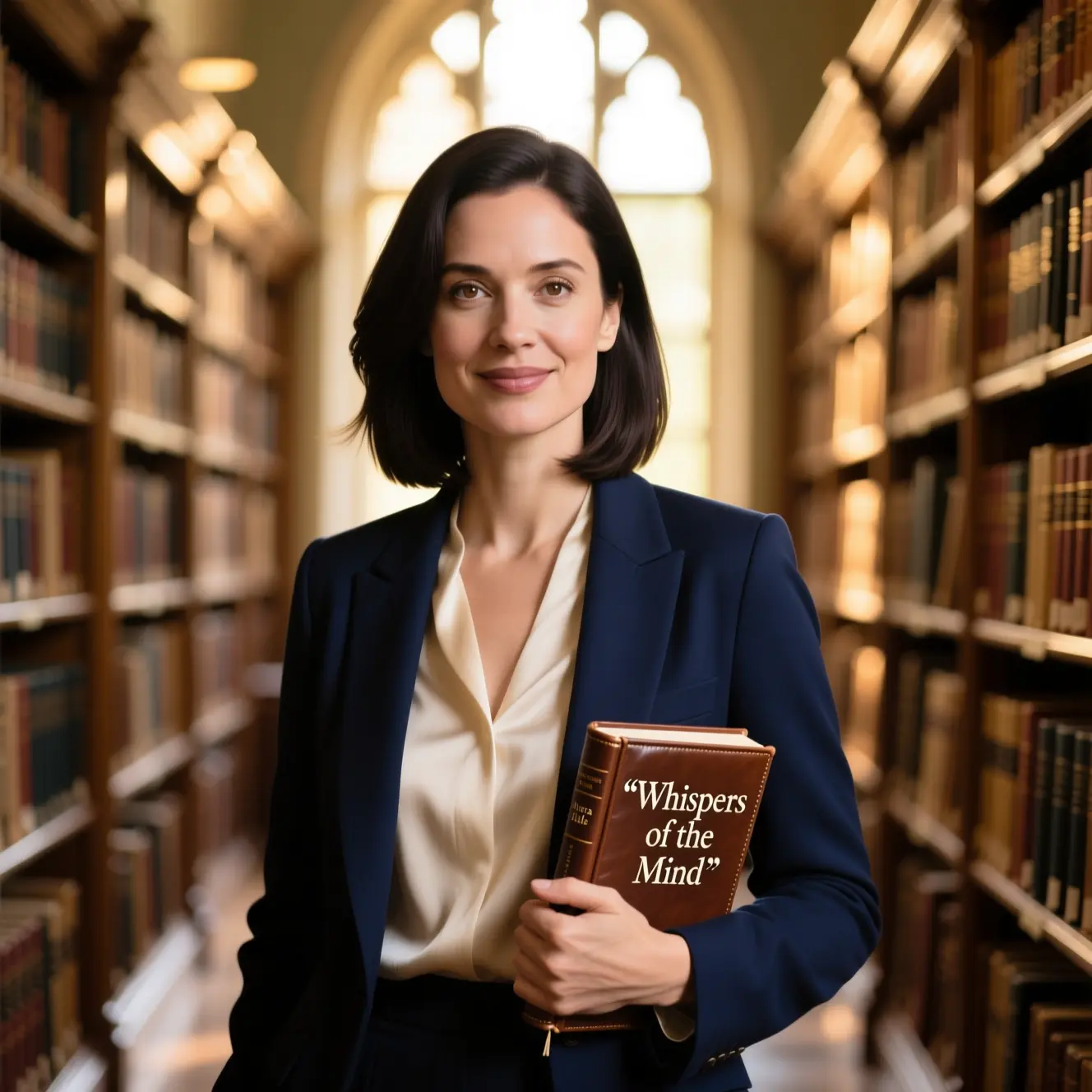
I’m Aurora Hale, a passionate and professional author dedicated to exploring the beauty and power of language. Through my work, I aim to inspire readers, spark curiosity, and make learning both engaging and meaningful. As the founder of Lingoow.com, I’ve created a platform where language enthusiasts can discover innovative ways to communicate, learn, and connect with the world. Every story I write and every lesson I share reflects my commitment to creativity, clarity, and the transformative magic of words. Join me on this journey at Lingoow.com to unlock your linguistic potential and embrace the joy of language.